
3rd Sunday after Pentecost
1 Kings 19:15-16, 19-21; Psalm 16; Galatians 5:1, 13-25; Luke 9:51-6
Departure and separation resonate through the texts for this third Sunday after Pentecost. The Word of God is on the move as usual. In the gospel of Luke, Jesus sends envoys ahead of his journey to Jerusalem (52). Some communities with unique traditions are not yet ready to be hospitable to the Way (53). Jesus, however, denies the disciples any desire for retaliation (54-55). Their journey continues (56).
In other places, instead of rejection, the Word is received with earnest enthusiasm. Some even want to join Jesus right away (57). Nevertheless, the reactions of the Son of God are somewhat surprising. They must be ready to face uncertainty and radically depart from their previous ways (58-62).
The great prophet Elijah is a little more accommodating in 1 Kings. His disciple-to-be, Elisha, is allowed to make arrangements for his family and community before saying goodbye and joining what God was doing in the world (20-21).
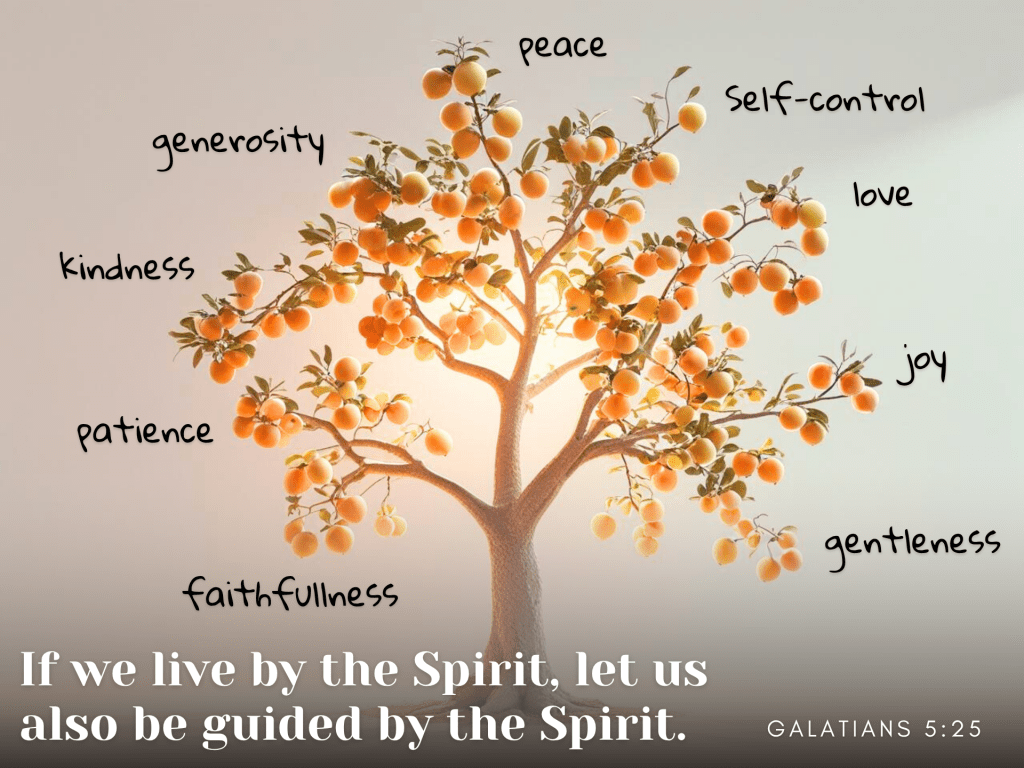
It can be stressful to leave old habits and embrace the transformational changes in hearts and minds that God operates in our lives, even when we stay in place. Paul instructs the church in Galatia to remain good stewards of the spiritual freedom they received through faith in Christ (5:1,13). The Galatians are to remember the ancient mandate of mutual love (14-15; see also Leviticus 19:18) and not to dwell in enmities, strife, jealousy, anger, quarrels, dissensions, and factions, nor allow themselves into instant reward and excesses (5:19-21). Instead, they are to put to use the precious gifts they received from the Holy Spirit (22-25).
The Psalmist sings:
“I keep the Lord always before me;
because he is at my right hand, I shall not be moved.
Therefore my heart is glad, and my soul rejoices;
my body also rests secure.
For you do not give me up to Sheol
or let your faithful one see the Pit.
You show me the path of life.
In your presence there is fullness of joy;
in your right hand are pleasures forevermore (Psalm 16:8-11; NRSVue).”
 Bridging Faith