
7th Sunday of Easter
Acts 16:16-34; Psalm 97; Revelation 22:12-14, 16-17, 20-21; John 17:20-26
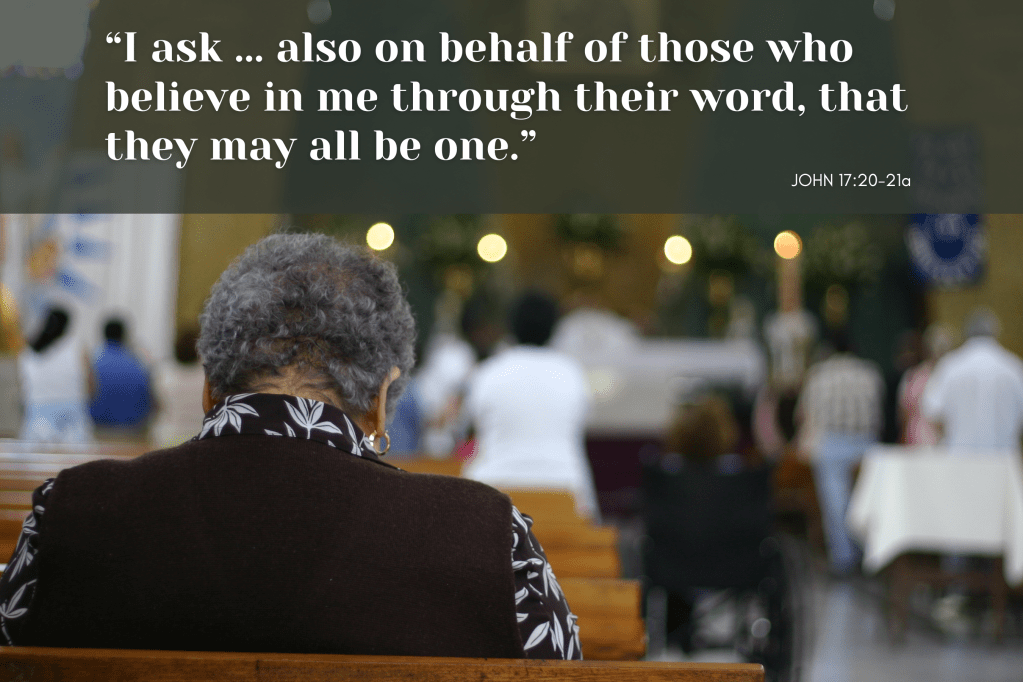
The 7th Sunday of Easter brings to us Jesus’ final prayers for the disciples in the Gospel of John. After this, Judas Iscariot brings the kitchen sink of evil to the doorstep of the Lamb of God. Whatever Jesus says in the long farewell discourse, which begins right after the foot washing, matters a lot. It matters even more when he directs his prayers to us, believers of all times and places, who have inherited his words through the first proclaimers of the Gospel. Here lies his timeless hope for the church universal.
In the book of Acts, we find Paul and Silas out and about after departing from Lydia’s house in Philippi. Now, Philippi was a Roman military colony in Macedonia and a gift given to those who fought for Emperor Augustus. Allegiance to the Emperor and Roman customs ran deep. The simple proclamation of the Word shakes the ground, both figuratively and literally. Speaking in Jesus’ name gets them beaten and sent to prison (19-24). Praying and singing to God frees them (26). By acting as instructed, new disciples for Christ are made (30-33), and the new city, a place of many dwellings, where ordeals cease and peoples of every nation, tribe, and language celebrate together, once more comes to them on Earth (33-34; also see 16:11-15).
In Revelation, the Christian Scriptures come to an end. Everything begins and ends with the love of Christ. All the nations are restored, and humankind can celebrate the full reconciliation with God and all creation as it was in the beginning (Genesis 1-2; Proverbs 8:22-31; Revelation 7:9-17).
The psalmist rejoices (Psalm 97:1, 10-12; NRSVue):
“The Lord is king! Let the earth rejoice;
let the many coastlands be glad!
You who love the Lord, hate evil;
he guards the lives of his faithful;
he rescues them from the hand of the wicked.
Light dawns for the righteous
and joy for the upright in heart.
Rejoice in the Lord, O you righteous,
and give thanks to his holy name!”
 Bridging Faith