
26th Sunday after Pentecost
Daniel 12:1-3; Psalm 16; Hebrews 10:11-25; Mark 13:1-8
The passing of the seasons can become a powerful metaphor for the apocalyptic texts we receive on the 26th Sunday after Pentecost. It is mid-November, and the days are surely about to end. The sun will disappear, and light will be extinguished from the earth! It does not matter if we know Spring will come again. Some of us will cry for it out of despair by February.
The people persisting in relationships with God periodically face deep sorrow, heavy loss, and seemingly impossible challenges. However, the season of gloom and darkness was not a metaphor for Mark. The evangelist writes from a time of profound pain, hopelessness, and disorientation. The desolating sacrilege and destruction of the Jerusalem temple by the Roman Legions during the first Jewish revolt had happened, further scarring the everyday life of his community, perhaps at the time when the first Christians were beginning to find their footing after Jesus’ absence. What are tales for us was reality for them, and Mark’s testament was the first surviving attempt to proclaim hope and faith as resistance to profound darkness and chaos in the form of the good news of Jesus Christ.
God, however, had seen the people through severe hardship many times before. The book of Daniel – written about one and half centuries before the birth of Christ during times of Jewish oppression under the rule of Seleucid King Antiochus IV Epiphanes, who defiled the Temple by placing an image of Zeus in the holy of holies – can be understood as instructional to a life of persistence with God at times of strangeness, isolation, and confusion. Those who remain faithful are the “wise.” Despite distress (Daniel 11:32-35), they are promised divine redemptive action (12:1-3).
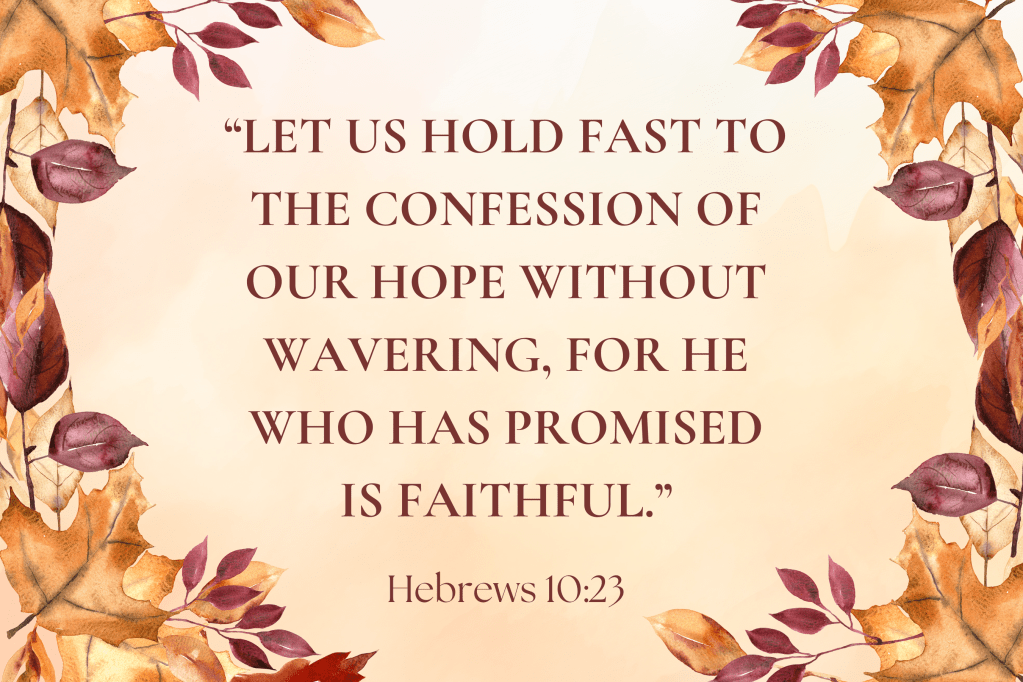
No wonder the author of Hebrews continues his apology to Jesus as our High Priest for the ages with a reminder of the fulfillment of God’s promise of the new covenant at the cross (Hebrews 11:14-18; see also Jeremiah 31:33-34). When we are washed in pure water, he becomes the assurance of our faith and the confession of our hope (vs. 22-23).
The psalmist confesses:
“I bless the LORD, who gives me counsel;
in the night also my heart instructs me.
I keep the LORD always before me;
because he is at my right hand, I shall not be moved.
Therefore my heart is glad, and my soul rejoices;
my body also rests secure.
For you do not give me up to Sheol
or let your faithful one see the Pit (Psalm 16:7-10; NRSVue).”
 Bridging Faith