
4th Sunday in Lent
Numbers 21:4-9; Psalm 107:1-3, 17-22; Ephesians 2:1-10; John 3:14-21
Lutheran tradition holds that both law and gospel are found anywhere in the bible. The law judges and convicts us of our inability to trust and love God above all things and to love our neighbor, near and far, as Jesus loves us. Nonetheless, the truly believing heart can find in the gospel, or the good news, the assurance of salvation—that is, forgiveness of sins or justification —through faith in Jesus Christ.
John 3:16 is universally known as the gospel in one verse. There, Jesus first reveals the universality of God’s works of salvation. This love is not reserved for some. It belongs to the kosmos, translated into English as “world.” God’s desire in Jesus Christ is to be reconciled with everything and everyone. Faith in God’s abounding and steadfast love for the whole creation would bring to the Christian believer the assurance of life everlasting.
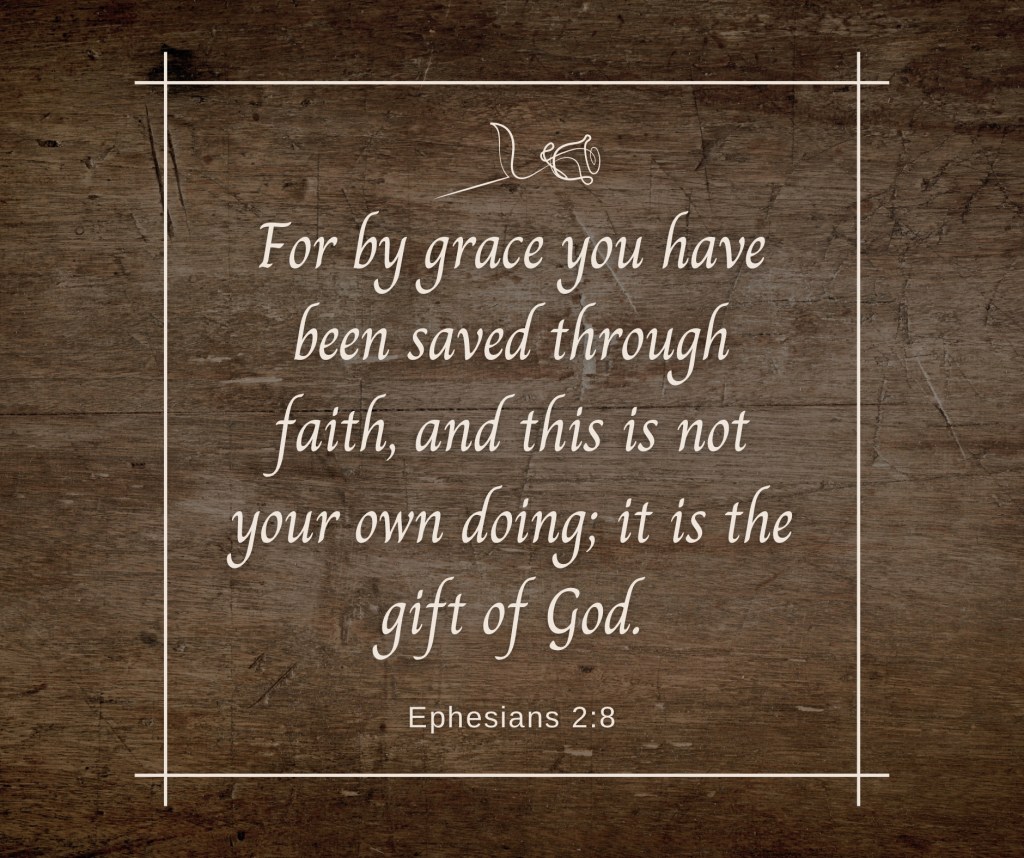
However, the assurance is not a hall pass. After doubling down and reassuring Nicodemus and the reader that he came not to condemn but to save the world (v.17), Jesus’ self-revelation turns into judgment in the next verse. Those brought to the font to be reborn from water and spirit (3:5) received faith as a gracious gift (Ephesians 2:8). Taking the gift for granted may place the believer in a tough spot (18) if it leads away from the light of the world (19-21).
Paul teaches the church in Ephesus about the lavish love and grace of the gift. When we were less deserving, dead in darkness already, God made us alive again and by grace alone (2:5). None of this is our own doing (8). This gift is pure gospel. Nonetheless, the gift of rebirth is supposed to send us to a life of good works, that is, doing good to others as a response to God’s love for us, as God intended (10). It has been said that God no longer needs our good works; however, our neighbor still does. The Reformer wrote, “Good works follow such [a gift of] faith, … if good works do not follow, then faith is false and not true.”[1]
The psalmist proclaims (Psalm 107:1–3; NRSVue):
“O give thanks to the Lord, for he is good,
for his steadfast love endures forever.
Let the redeemed of the Lord say so,
those he redeemed from trouble
and gathered in from the lands,
from the east and from the west,
from the north and from the south.”
[1] Kolb; The Book of Concord: The Confessions of the Evangelical Lutheran Church; page 325.
 Bridging Faith